Front walks, connecting paths between buildings, and replacement of the sections that have lifted, sunk or broken up. Boerne and Kendall County.
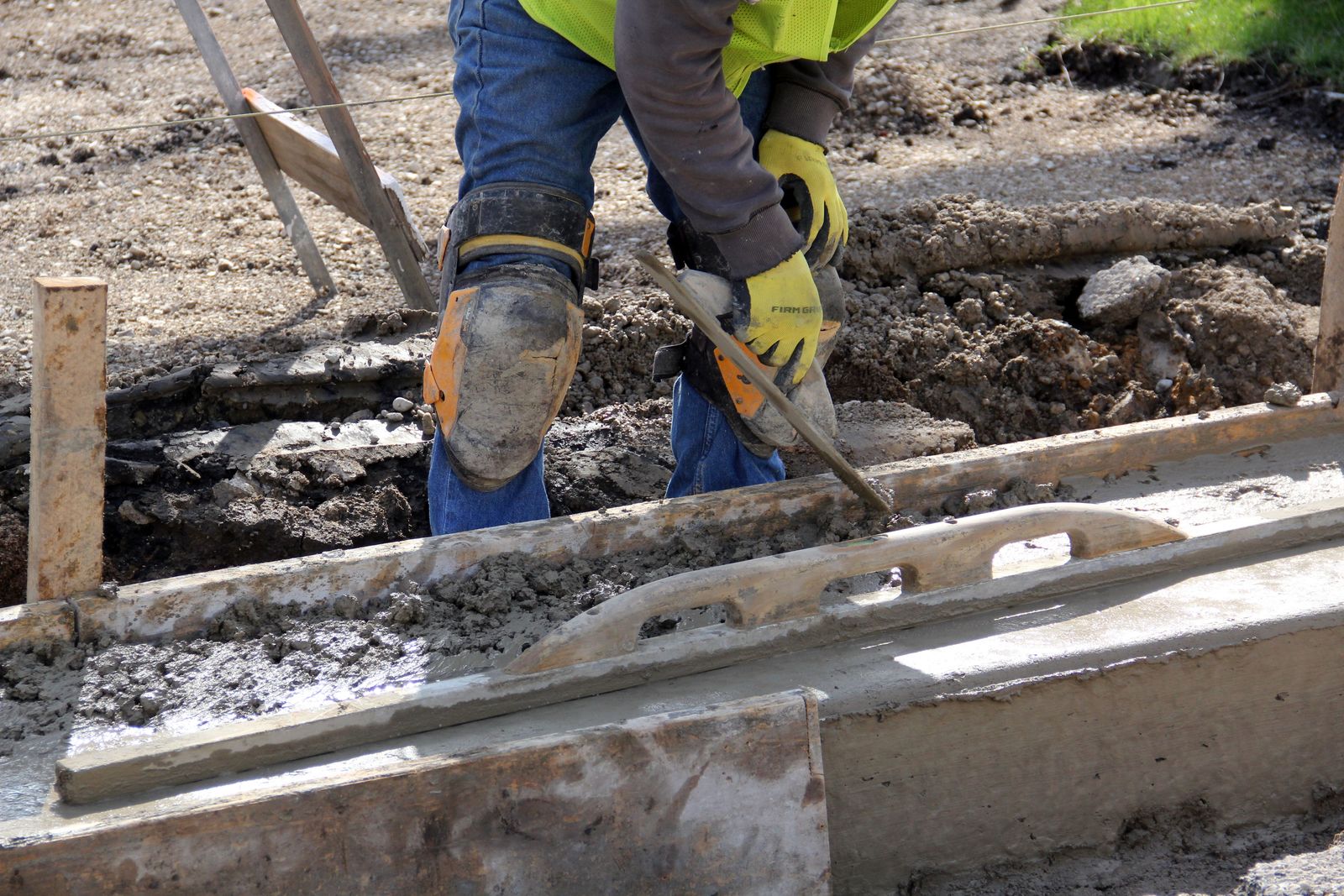
Two different jobs, really. Putting in a walk that wasn't there, and dealing with one that's gone bad. They price very differently, so it's worth being clear about which you need.
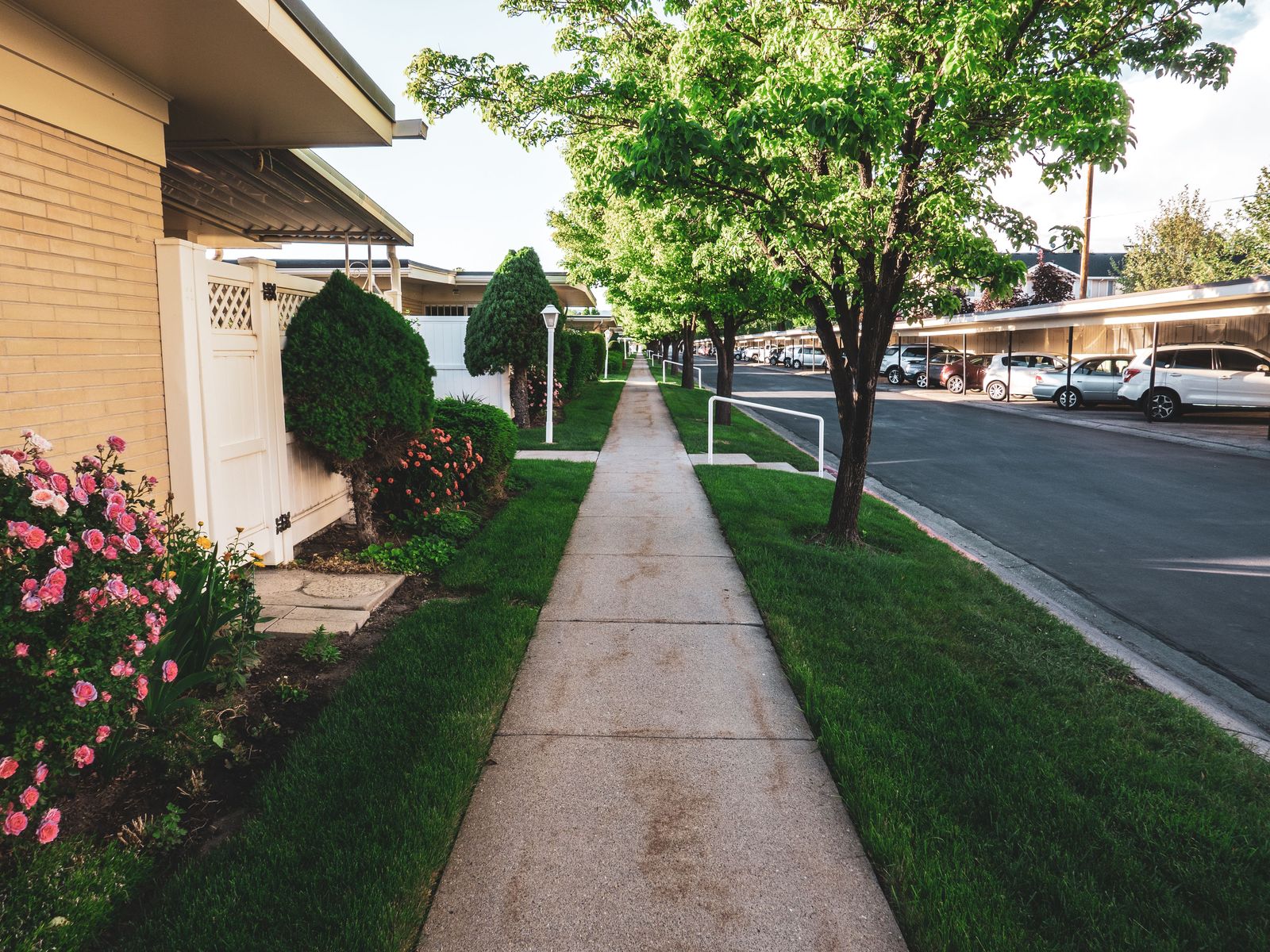
Front walks from the drive to the door, side paths, garden and gate paths, and runs between a house and a shop or casita.
Cut out the failed sections, fix what caused it, and pour back so the new work matches the old in width, finish and joint spacing.
Where one panel has risen above its neighbour, grinding the lip down is often cheaper and faster than replacement — and it takes the liability off the table the same day.
Knowing the cause matters, because replacing a panel without fixing what lifted it buys you a few years at most.
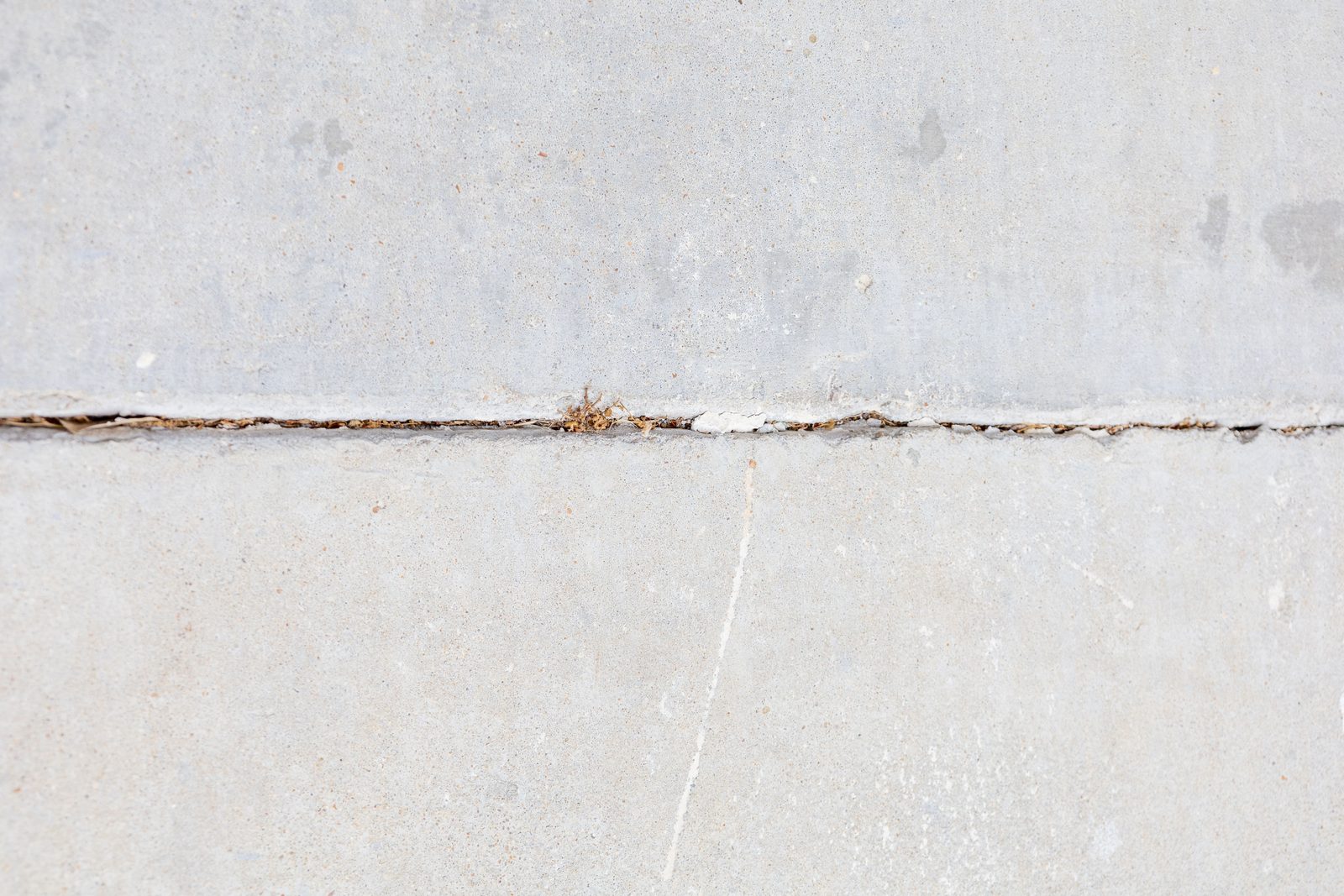
The single most common cause in Boerne. Oak roots run shallow and wide, and a walk poured over them will lift as they thicken. Replacing the panel without cutting and barriering the root just resets the clock.
Walks are often the last thing on a build and get the least base prep. Four inches of concrete on uncompacted fill will crack and settle, particularly along the edge where water runs off.
Hill Country lots shed water fast. If a walk sits in the path of roof runoff or a downhill sheet flow, the soil beside it washes out and the edge drops. Fixing the drainage is part of fixing the walk.
A hard February freeze finds every weak spot left by a hot, fast summer cure. Surface spalling and popouts usually trace back to how the slab was finished and cured, not to the freeze itself.
Short version: if the concrete itself is sound and the problem is height, grinding or jacking is usually the cheaper fix. If the concrete is broken, spalling, or cracked through, replacement is the only honest answer.
We'll tell you which at the estimate, including when the answer is that you don't need us yet. A hairline crack in an otherwise flat walk isn't a reason to spend money.
| Symptom | Usual answer |
|---|---|
| One panel lifted at a joint | Grind the lip |
| Panel sunk but intact | Slab jacking |
| Cracked through in several places | Replace the section |
| Surface flaking and pitted | Replace, or resurface if the slab is sound |
| Root visibly under the slab | Replace, cut root, install barrier |
Often, yes. If the concrete itself is sound and the problem is height, grinding the lip down removes the trip hazard the same day and costs a fraction of replacement. If the panel is cracked through or spalling, replacement is the honest answer.
Live oak roots, more than anything else. They run shallow and wide, and a walk poured over one will lift as it thickens. Replacing the panel without cutting the root and installing a barrier just resets the clock.
In most Texas cities the adjoining property owner is responsible for maintaining it, including trip hazards. Rules vary, so check with the City of Boerne for your specific property before assuming either way.
Three feet is the practical minimum, four feet lets two people walk side by side, and five feet is what you want for a main approach to a front door. Commercial and accessible routes have their own requirements.
That is spalling, and it usually traces back to how the slab was finished and cured rather than to the freeze that revealed it. Concrete worked too wet or finished too early in the heat loses its surface a few winters later.
Boerne and the surrounding Kendall County communities. For property managers with several sites, we'll walk all of them in one visit.
Tell us roughly how many feet, or how many bad panels. Or call (830) 357-7152.
We answer estimate requests the same day during the week. Nothing gets shared with anyone else.
