New driveways, replacement of drives that have cracked or settled, and the long approaches that come with acreage — including aprons, turnarounds, and extra parking.
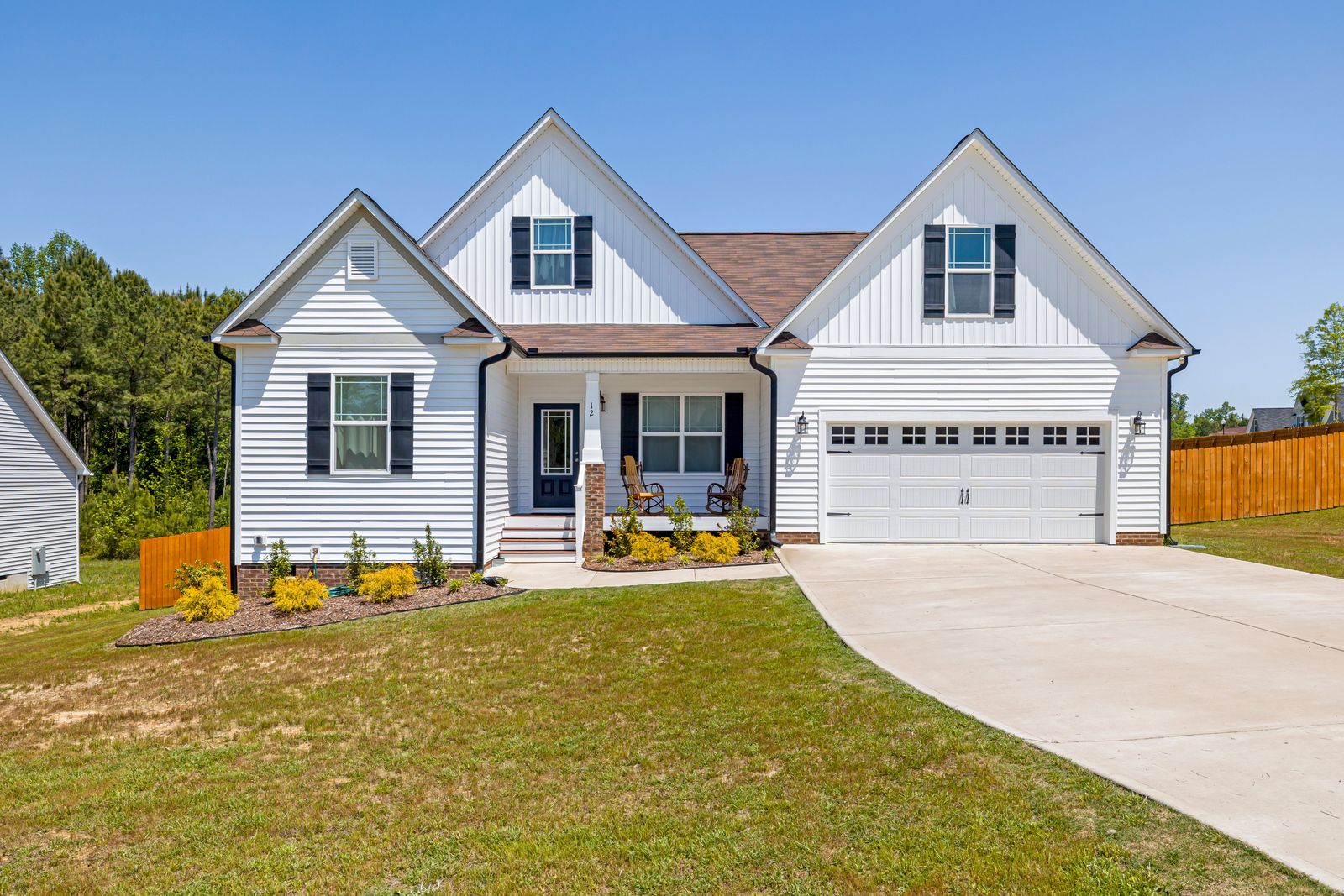
A driveway is the largest piece of flatwork most houses will ever have, and the one that takes the most abuse. Thickness and base are what decide how long it lasts.
From the street to the garage, sized for the vehicles that actually use it — including the truck that delivers and the one that hauls the trash.
Tear out, haul off, fix the base that caused the failure, and pour back. Half-measures on a failed drive buy you two or three years.
Long runs out to a house or shop on Hill Country property, where the questions are grade, drainage, and how a mixer truck gets down there at all.
Adding a lane for a second vehicle, a pad for a trailer or RV, or squaring off a drive that was poured too narrow to start with.
Four things, in roughly this order of importance. Any bid that doesn't mention the first two is hiding something.
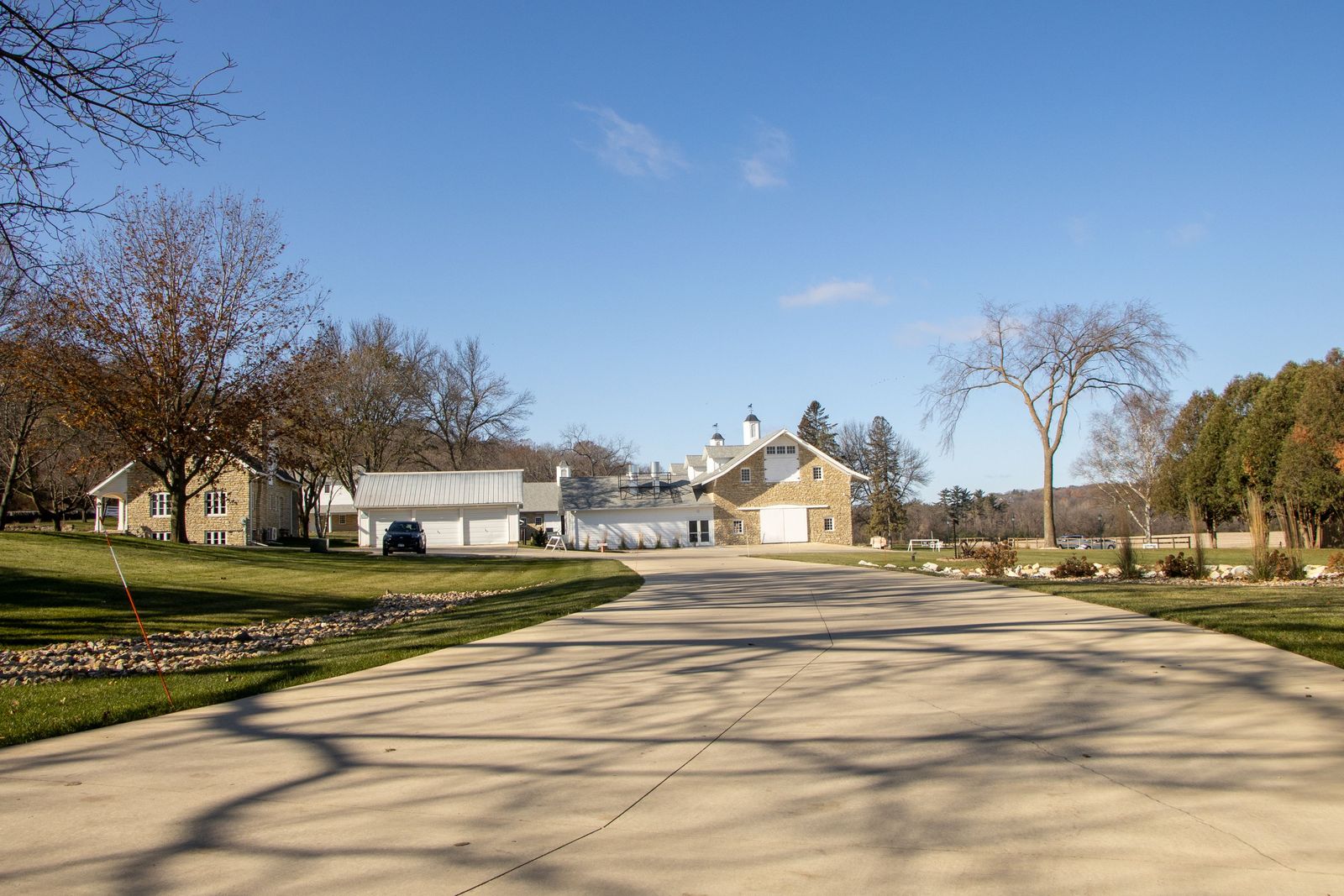
| Use | Thickness | Reinforcement |
|---|---|---|
| Cars and light trucks | 4 to 5 inches | #3 or #4 bar on 18-inch centers |
| Heavy pickups, RVs, trailers | 5 to 6 inches | #4 bar on 12 to 18-inch centers |
| Ranch approach, delivery traffic | 6 inches | #4 bar on 12-inch centers, thickened edges |
| Apron at the street | 6 inches | Thickened, per City of Boerne requirements |
Caliche base placed in lifts of six inches or less, compacted at the right moisture and proof-rolled. Dumped in one go and driven over, it settles, and the slab cracks following it down.
Driveways fail at the edges first, because that's where a wheel drops off and where water undercuts. A thickened edge along the sides costs little at pour time and is the difference between a straight edge and a crumbling one.
Joints are cut within a day at the right spacing, and an isolation joint is installed where the driveway meets the garage slab and the street apron so the two can move independently without cracking each other.
On a Hill Country slope, a driveway is a channel whether you meant it to be or not. Slope, crown, and a plan for the runoff at the bottom are part of the design, not an afterthought.
Hairline cracks in an otherwise flat drive are normal and are not a reason to spend money. Concrete cracks; joints are there to decide where. We'll tell you when the answer is to do nothing.
Where the slab has broken into pieces, dropped at a joint, or lost its surface, replacement is the honest answer — and where only a section has gone, that section can usually be cut out and replaced without redoing the whole drive.
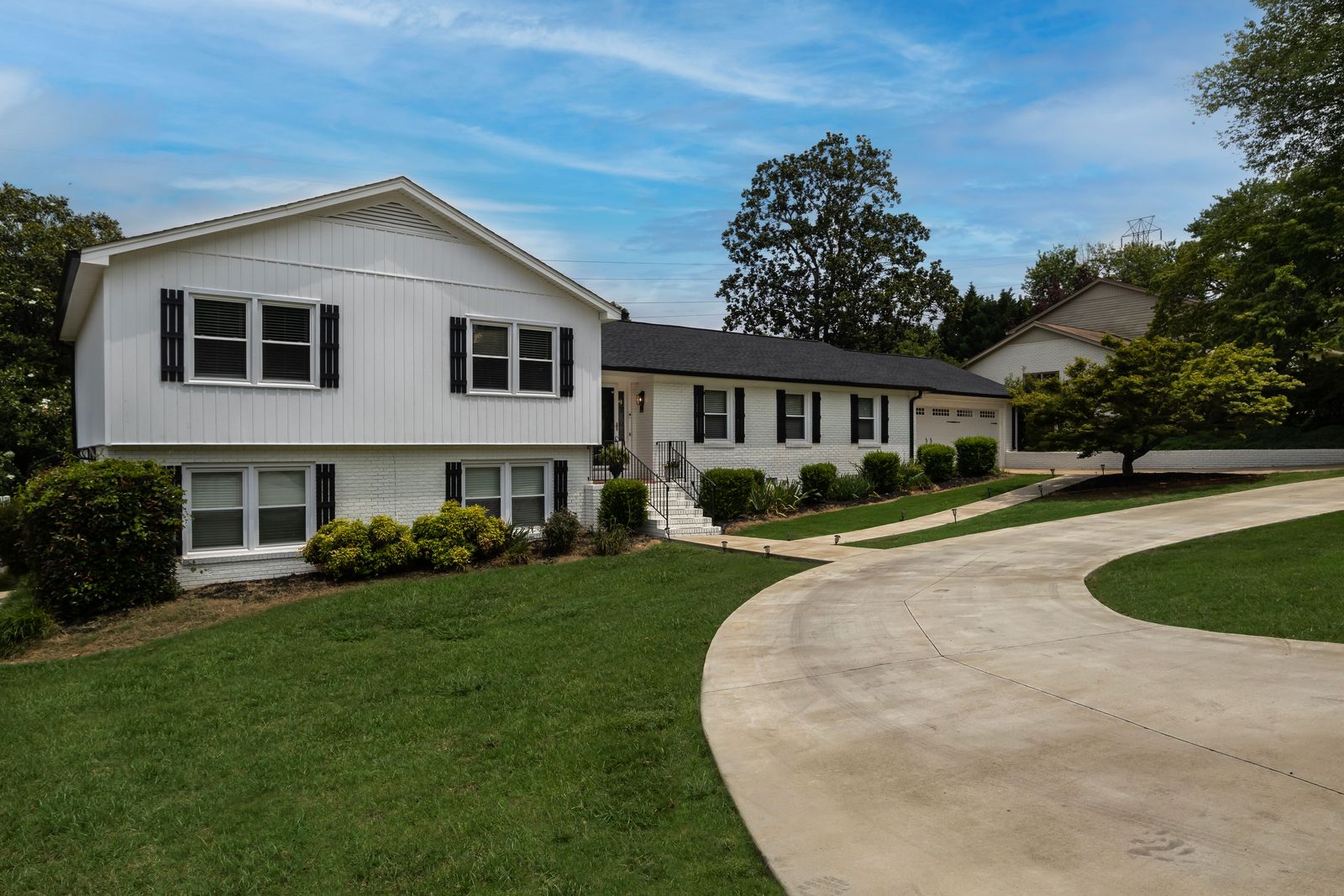
Thirty years or more if the base was built properly. Most of the failed driveways we tear out did not fail because of the concrete. They failed because the caliche underneath was dumped in one lift and driven over instead of compacted in layers.
Often, yes. If the rest of the slab is sound, the failed sections can be cut out and poured back, matched to the existing width and finish. If it has broken up across the whole drive, replacing sections just moves the problem.
Concrete costs more up front and lasts considerably longer, and it handles Texas summer heat better than asphalt does. On a long acreage approach the maths is closer, and that is a conversation worth having at the estimate rather than in a brochure.
About seven days for vehicles. You can walk on it after a day or so. Heavy trucks should stay off longer, and we will tell you exactly how long for your pour rather than quoting you a rule of thumb.
Parts of Fair Oaks Ranch and Cordillera Ranch require HOA architectural approval for visible flatwork, and the City of Boerne has its own requirements for the apron in the right-of-way. Both are manageable. Neither is a nice surprise mid-job.
Boerne and the surrounding communities. Acreage jobs outside this list are usually still worth a call.
Rough dimensions and what parks on it is enough to start. Or call (830) 357-7152.
We answer estimate requests the same day during the week. Nothing gets shared with anyone else.
